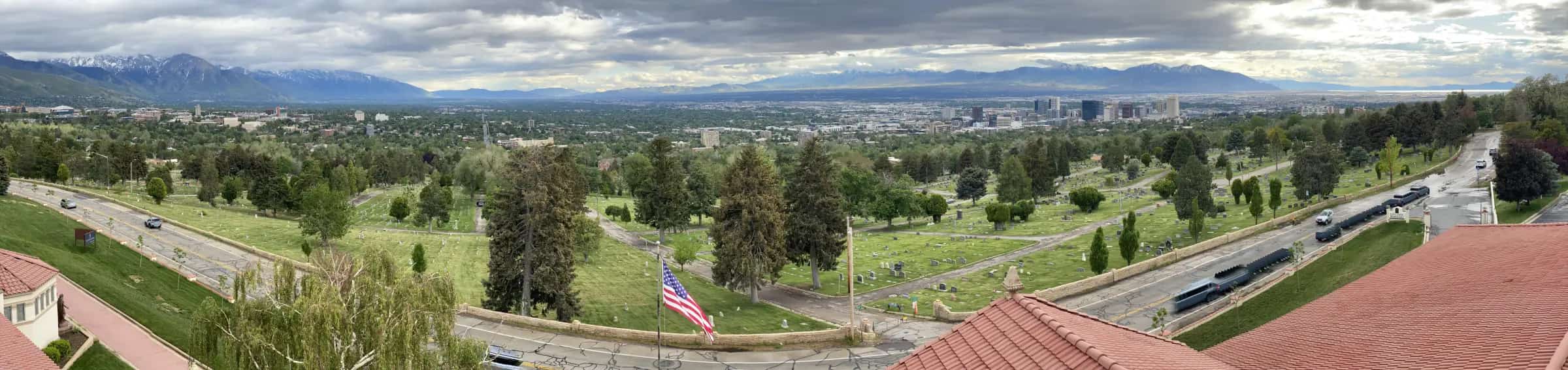
Discover how Salt Lake City funeral homes honor Native American traditions with compassionate planning, cultural expertise, and practical guidance for families across the Wasatch Front.
Breaking Down Unique Funeral Traditions: A Closer Look at Native American Funeral Services in Salt Lake City, Utah
Salt Lake City is a place where cultures meet the mountains. Here, families often seek to honor a loved one’s life in ways that reflect deep heritage, including Native American traditions that are meaningful, reverent, and community-centered. When loss occurs, compassionate funeral services in Salt Lake City can help families weave cultural practices into every step with dignity and care.
This guide explains how local funeral homes support Native American funeral services, from coordinating traditional elements to addressing practical details like venues, timing, and permits. Whether your family is planning now or pre-planning for the future, our goal is to help you feel informed, confident, and respected at every turn.
Why Cultural Competence Matters in Funeral Planning
Every Indigenous nation has unique customs around death, mourning, and remembrance. Cultural competence means a funeral director listens first, then partners with family leaders and elders to ensure each practice is approached with care. That collaboration builds trust, prevents misunderstandings, and protects sacred traditions.
In Salt Lake City, this often includes identifying a family spokesperson, honoring tribal guidance, and clarifying what may be shared publicly versus what should remain private. Our licensed team works in concert with your family to personalize funeral services that reflect your values and traditions while meeting local regulations and facility guidelines.
The Native Communities Connected to Salt Lake City
The Wasatch Front is home to diverse Native American communities, including citizens from the Ute Indian Tribe, the Paiute Indian Tribe of Utah, the Confederated Tribes of the Goshute Reservation, the Northwestern Band of the Shoshone Nation, and Diné (Navajo) families with ties to southeastern Utah. Many residents also maintain connections to tribal communities across the Mountain West and beyond.
Because Salt Lake City serves as a regional hub, families may choose to hold services in the city and then travel to reservation lands for burial or community ceremonies. Coordinated planning helps balance city logistics with cultural and family needs—especially when travel, weather, and venue access are factors.
Common Elements Families May Request (and How We Support Them)
Smudging and Sacred Fire Considerations
Smoke purification (smudging) with sage or cedar is deeply meaningful for many families. Most indoor venues require advance notice and may have ventilation or open-flame restrictions. We help identify suitable spaces—often a designated outdoor area or a well-ventilated setting—and coordinate any necessary permissions in line with city and facility rules.
Drumming, Singing, and Prayer
Drumming, songs, and prayer contribute to a service’s spirit and rhythm. We discuss acoustics with the family, confirm venue guidelines, and accommodate quiet hours when needed. If you plan to record or livestream, we will request permission from the family and leaders in attendance to ensure these moments are captured respectfully.
Clothing, Blankets, and Sacred Items
Many families choose to dress their loved one in traditional garments or include blankets and culturally significant items. We provide private time and trained staff for family-led preparation and follow clear handling protocols for sacred items. Your instructions guide every detail, from placement to who may touch or carry certain items.
Visitation, Wake, and All-Night Vigil
Extended visitation and overnight prayer or vigil are common in some traditions. We can arrange appropriate staffing, security, and comfort items to keep loved ones nearby through the night. When an overnight gathering is not possible at a particular venue, we help identify alternatives that meet spiritual and practical needs.
Burial and Cremation Choices
While many families choose burial, others select cremation for personal, financial, or logistical reasons. We offer guidance on cemetery rules, plot selection, and scheduling, and we coordinate with tribal and family leaders as requested. If cremation is preferred, our dignified cremation services in Salt Lake City ensure respectful care, transparent pricing, and options for memorial gatherings and scattering where permitted.
Step-by-Step: Planning Native American Funeral Services in Salt Lake City
Every family and nation is unique, but these steps can make planning smoother:
- Choose a spokesperson and engage your funeral director early. Begin with a call to our compassionate funeral services team so we can listen, outline options, and reserve needed spaces and times.
- Consult with elders or tribal leadership. Confirm the customs to be included, who should lead prayers or songs, and what aspects are private versus public.
- Decide on burial or cremation. We will walk through timelines, costs, and ceremonial considerations. For cremation, explore our cremation services to understand process, urn choices, and memorial options.
- Select the venue(s). Consider whether you prefer a chapel, community center, or outdoor setting with space for smudging and drumming, plus accessibility for elders. We work with locations across the Wasatch Front, including Salt Lake City and nearby communities.
- Coordinate cemetery or travel arrangements. If burial will occur in a local cemetery, we help schedule interment and confirm policies. If traveling to reservation lands or homelands, we arrange transport, timing, and necessary documentation.
- Plan the program and speakers. Identify who will offer songs, prayers, and remembrances, and whether bilingual materials (e.g., Diné Bizaad and English) are needed. Our team can assist with designing programs and signage.
- Clarify sacred items and handling protocols. Provide instructions about regalia, blankets, and ceremonial objects so our staff follows proper procedures at all times.
- Consider a memorial gathering. Some families choose a separate celebration-of-life event after burial or cremation. We can arrange personalized memorial services that welcome storytelling, photo displays, and cultural foods where permitted.
- Arrange aftercare and support. Grief is a journey. Our grief support services connect families with counseling resources, support groups, and ongoing care in Salt Lake City.
Local Insights: Venues, Logistics, and Weather in the Wasatch Front
Salt Lake City’s four-season climate can influence service planning. Winter storms may affect travel to and from the Uintah Basin, San Juan County, or the West Desert. Summer heat requires shade, hydration, and short outdoor segments for elders. At 4,200 feet above sea level, even mild exertion can feel strenuous for some attendees.
When evaluating facilities, ask about accessibility, parking, and cultural accommodations. The right venue supports both tradition and comfort for elders, children, and out-of-town guests.
- Confirm if smudging is allowed and whether there is a designated outdoor space or ventilation plan.
- Ask about drumming guidelines, sound equipment, and livestreaming options for relatives who cannot travel.
- Verify kitchen or catering policies if you plan to share food, and identify nearby community spaces for post-service meals.
- Review after-hours access for vigils and any security arrangements for overnight gatherings.
- Clarify photography and recording rules, guided by family and tribal preferences.
Case Snapshot: Honoring Tradition in the City
Recently, a multigenerational family with ties to the Wasatch Front and the Four Corners region asked us to incorporate prayer songs, an outdoor smudging circle, and a bilingual service program. We coordinated with their spokesperson and cultural leaders to sequence each element respectfully and to reserve a courtyard for smoke purification before the chapel service.
Because several relatives could not travel, we provided a private livestream with clear instructions about when cameras should be paused. After the service, we helped the family travel for burial the next day, ensuring the timeline honored ceremonial requirements and allowed elders to rest. The result was a peaceful, city-based gathering that remained fully rooted in tradition.
Transparent Costs and Ways to Plan Ahead
Clear, upfront pricing lets families make decisions without pressure. During our arrangement conference, we outline itemized options for facilities, care, transportation, and ceremony support. If desired, we also help integrate veteran honors when eligible and ensure benefits are properly requested.
Many families find comfort in making choices in advance. Our pre-planning services in Salt Lake City allow you to document preferences for sacred items, music, and gatherings, easing the burden on loved ones later. If your family includes veterans, our veteran funeral services team coordinates military honors and timing with cultural practices in mind.
Choosing the Right Partner
The right funeral director will ask thoughtful questions, communicate clearly, and make space for your traditions from the first call to the final farewell. We are honored to support families across Salt Lake City and the Wasatch Front with culturally aware funeral services that reflect every unique life story.
If you are ready to talk through options, we invite you to connect with our team today. Explore our funeral services, consider meaningful memorial services, or find comfort through our grief support resources. We are here to help you honor your loved one with dignity, grace, and personalized care.
Frequently Asked Questions
Can Salt Lake City funeral homes accommodate smudging and drumming?
Yes. Most venues can accommodate smudging and drumming with advance notice and clear planning. Indoor spaces may have ventilation or open-flame restrictions, so your director will help identify a suitable area—often a designated outdoor location or a well-ventilated room. Discuss timing, sound levels, and any recording limitations early to align with family and venue guidelines. When coordinated thoughtfully, these meaningful practices can be honored safely and respectfully.
Can we combine Native traditions with military honors for a veteran?
Absolutely. Families often blend cultural practices with military honors, such as a flag presentation and Taps. Your funeral director will coordinate the schedule with the Honor Guard to ensure sacred songs, prayers, or smudging occur at appropriate moments. For tailored guidance, explore our veteran funeral services and let us know which traditions you wish to include.
How do we decide between burial and cremation if our tribe has specific customs?
Start by consulting with elders or tribal leadership to understand cultural guidance. Your funeral director can then present options and timelines that respect those customs, including cemetery coordination or travel to homelands. If cremation is considered, learn about process, timing, and memorial choices through our cremation services. The goal is to align practical needs with spiritual and family priorities.
What is respectful etiquette for non-Native guests attending a Native American funeral?
Dress modestly, arrive early, and follow guidance from the family and ceremony leaders. Avoid photographing, recording, or touching ceremonial items unless you are explicitly invited to do so. Silence phones and remain attentive during songs and prayers. If a meal or sharing follows, participate with gratitude and offer help if appropriate.
What steps should we take if a death is imminent or just occurred?
Designate a family spokesperson and contact a funeral director right away to begin arrangements. Share any cultural requirements so scheduling, venue, and care plans align from the start. If you prefer to document wishes in advance, our pre-planning services make it easier for families. For immediate guidance, reach out to our funeral services team any time.