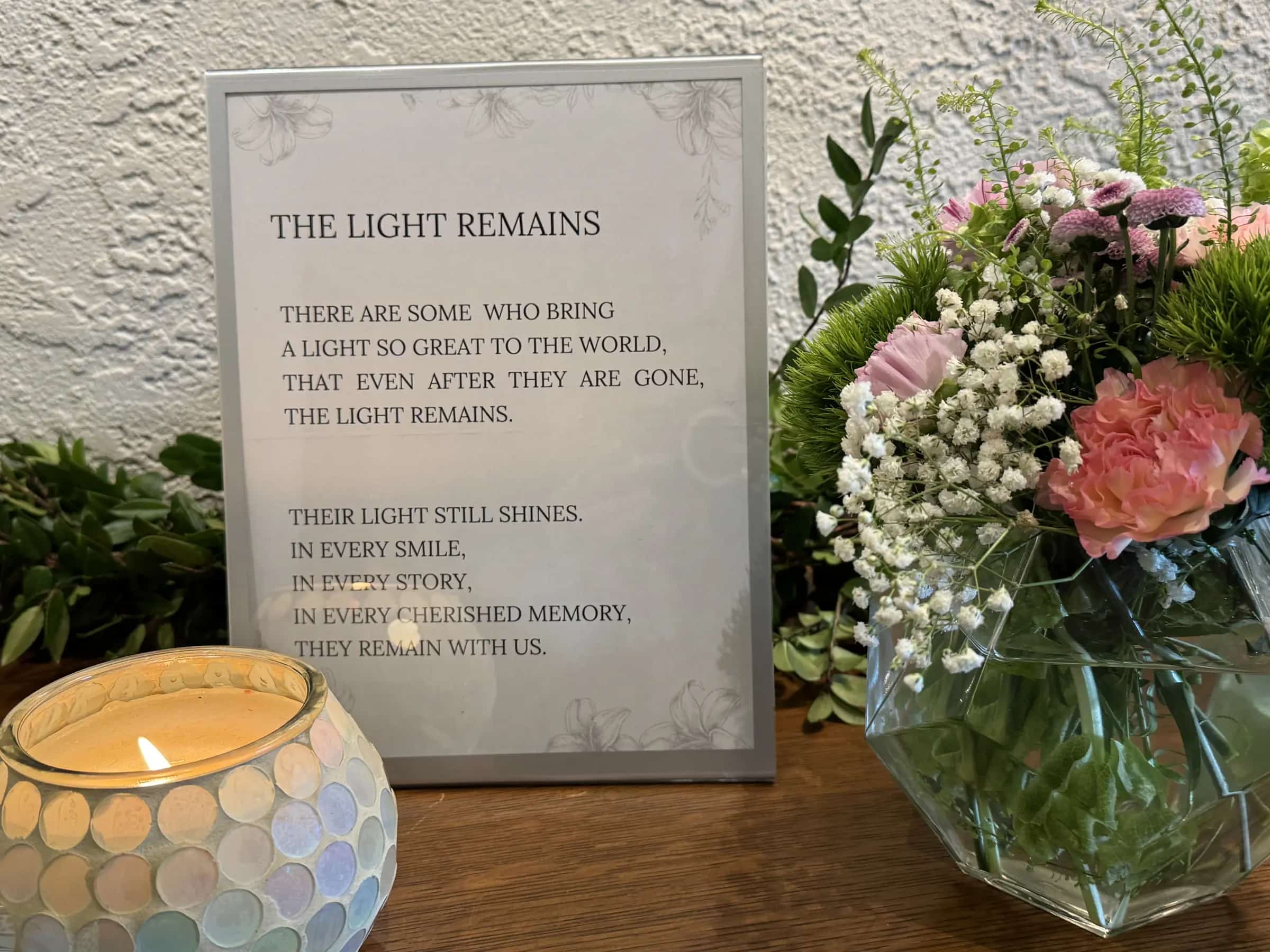
Spiritual funeral services center a farewell on prayer, scripture, and the beliefs that shaped a loved one's life. This guide explains what these services include, how different faith traditions approach them, and how to plan one with confidence. It also covers the questions to ask before choosing a provider.
Spiritual Funeral Services: A Guide to Meaningful Farewells
Losing someone we love is one of the hardest experiences a family faces. In the days that follow, many people look for a way to say goodbye that honors the faith their loved one lived by. Spiritual funeral services offer that framework. They center the farewell on prayer, scripture, hymns, and the beliefs that shaped the life being remembered.
Families often feel unsure about what a faith-centered service involves, especially if they are not members of a congregation or if their loved one's traditions were personal rather than formal. This guide explains what spiritual funeral services include, how they differ across traditions, and how to plan one with confidence. It also covers the questions worth asking before you choose a provider.
What Defines a Spiritual Funeral Service
A spiritual funeral service places faith at the center of the farewell. Rather than focusing only on the logistics of burial or cremation, the service invites mourners to reflect on the meaning of life, the hope of what follows, and the comfort of community. The tone is usually reverent, but it can also be warm, personal, and celebratory.
While every service is unique, most include several common elements:
- Scripture readings chosen by the family to reflect the faith of the person who has died
- Prayers and blessings offered for the deceased, the grieving family, and the wider community
- Music and hymns that bring comfort and give mourners a shared voice
- A eulogy or reflection that connects the person's life to their spiritual values
- A committal or closing benediction that marks the transition from the service to the next step
These elements can be adapted. Some families want a traditional liturgy with set responses, while others prefer an informal gathering led by a friend who knows the person well.
How Traditions Shape the Service
Faith traditions influence nearly every detail of a funeral, from the order of the service to the words spoken. Understanding these differences helps families choose an approach that feels authentic.
Christian Services
Christian funerals often emphasize resurrection and eternal life. Many include readings from the Psalms or the Gospels, the Lord's Prayer, and hymns of hope. Some denominations follow a formal order of worship, while others allow more flexibility.
Catholic and Orthodox Services
Catholic funeral Masses typically include the Liturgy of the Word and the Eucharist, with prayers for the repose of the soul. Orthodox services may include specific hymns, the Trisagion prayers, and a farewell known as the final kiss. A priest or deacon usually leads these rites, and families should contact their parish early to plan.
Jewish Services
Jewish funerals are generally simple and dignified. They often include the recitation of Psalms, a eulogy, and the Kaddish prayer. Burial typically takes place quickly, and the community gathers to support the family during the period of mourning.
Interfaith and Personal Services
Many families come from mixed backgrounds or hold beliefs that do not fit neatly into one tradition. An interfaith or personalized service can draw on readings, poems, and music from several sources. What matters most is that the words and rituals reflect the person being remembered.
Planning a Spiritual Funeral Service Step by Step
Planning a service while grieving can feel overwhelming. Breaking the process into clear steps makes it easier to manage.
- Gather key information. Collect the person's full name, date of birth, faith affiliation, and any wishes they expressed about their service.
- Contact a faith leader or chaplain. Clergy can guide the liturgy, help with scripture selection, and offer pastoral support throughout the process.
- Choose a funeral home with experience in faith-based services. A provider familiar with your tradition can coordinate religious details and handle logistics with care.
- Select readings, music, and speakers. Ask relatives and friends to contribute memories or readings that reflect the person's character.
- Decide on the location and format. Services may take place in a place of worship, a funeral home chapel, a family home, or an outdoor setting.
- Plan the committal. Confirm whether burial, cremation, or another arrangement will follow, and coordinate any prayers at the graveside or crematory.
Starting early gives the family more time to make thoughtful choices. Many people also find it helpful to write down their wishes in advance so loved ones are not left guessing.
Questions to Ask Before You Choose a Provider
Not every funeral provider offers the same level of spiritual support. Before you commit, consider asking the following:
- Do you have experience with services in our faith tradition?
- Can you coordinate with our clergy, or do you maintain a list of faith leaders who can officiate?
- How much flexibility is there in the order of service, music, and readings?
- Will a staff member be available to answer questions throughout the planning process?
- What are your fees, and which items are required versus optional?
A good provider will answer these questions clearly and make you feel heard. You can review additional guidance on our funeral services page or learn more about pre-planning options that reduce stress for families later on.
Supporting Grieving Family and Friends
A spiritual service does more than honor the person who has died. It also gives the living a structured way to express grief and find comfort. Rituals such as prayer, shared silence, and communal singing remind mourners that they are not alone.
After the service, many families continue to lean on their faith community. Support groups, prayer circles, and pastoral visits can provide ongoing encouragement in the weeks and months ahead. If you notice a family member struggling in the long term, gently suggest professional grief counseling alongside spiritual care.
Bringing Faith and Remembrance Together
Spiritual funeral services give families a way to say goodbye that reflects what their loved one believed and how they lived. With thoughtful planning, the right faith leader, and a provider who understands your traditions, the farewell can be both dignified and deeply personal. The goal is not perfection but a service that feels true to the person being honored.
If you are beginning to plan a service, we are here to help you through each decision. Contact our team today to talk through your options, or request a consultation to explore how a spiritual funeral service can honor your loved one's life and faith.
Frequently Asked Questions
What makes a funeral service spiritual?
A spiritual funeral service places faith at the center of the farewell. It typically includes scripture readings, prayers, hymns, and a reflection that connects the person's life to their beliefs. The overall tone focuses on hope, comfort, and remembrance rather than only the logistics of burial or cremation.
Families can tailor the service to match their loved one's faith, whether that tradition is formal or deeply personal.
Can a spiritual funeral be held if my loved one was not part of a religious congregation?
Yes. Many families plan spiritual services for people who held personal beliefs without belonging to a formal congregation. A chaplain, a trusted friend, or an interfaith officiant can lead the service and draw on readings and music that reflect the person's values.
The most important consideration is that the service feels authentic to the person being remembered.
How far in advance should we contact a clergy member or faith leader?
As soon as possible after a death, ideally within the first day or two. Clergy members often have busy schedules, and some traditions require a quick timeline for burial or prayers. Early contact gives the family time to discuss wishes, select readings, and plan the order of service without feeling rushed.
If you are unsure whom to contact, a funeral director familiar with local faith communities can usually make introductions.
Does a spiritual funeral have to take place in a place of worship?
No. Spiritual services can be held in a church, synagogue, mosque, temple, funeral home chapel, private home, or outdoor location. The right setting depends on the family's preferences, the faith tradition involved, and the number of guests expected.
Some families choose a religious setting for the main service and a quieter location for the committal or graveside prayers.